
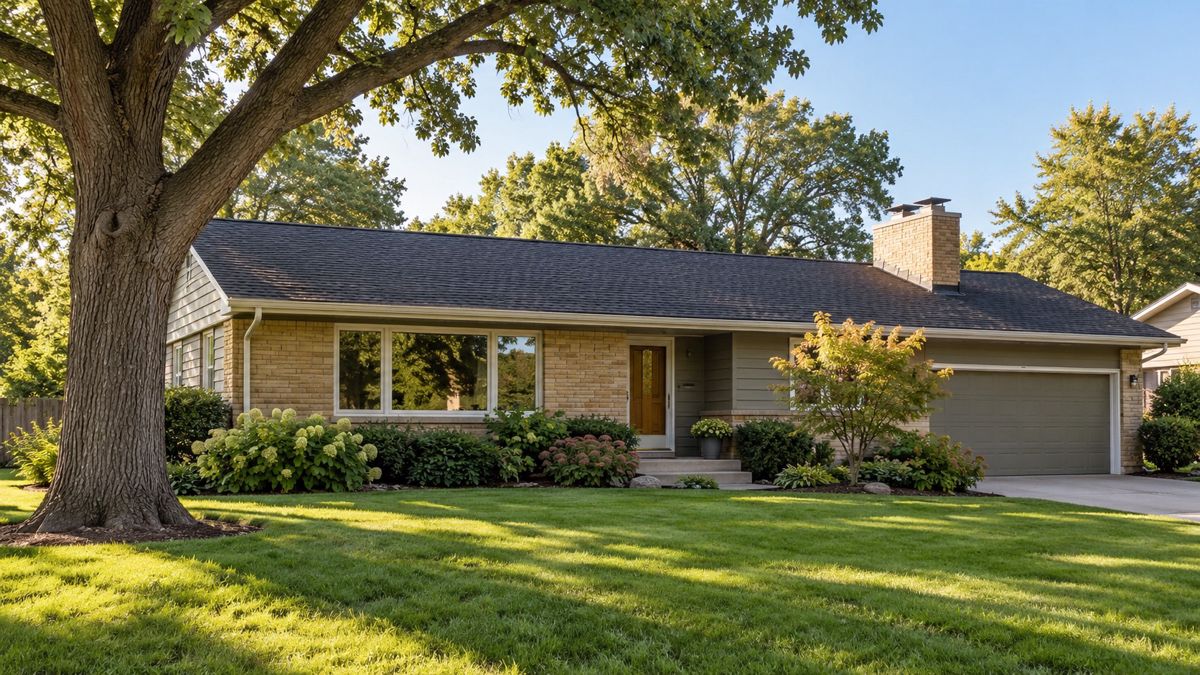
There is no single price for a new roof in Minneapolis, because no two roofs are the same. As a rough guide, many homeowners across the United States pay somewhere around $8,000 to $20,000 to replace asphalt shingles on an average single-family house. Metal, cedar and slate cost more, often well above that range. Treat these numbers as general market guides, not quotes from Best Minneapolis Roofing. The rest of this article explains what moves a price up or down so you can read a real quote with confidence.
What is a realistic price range for a new roof in Minneapolis?
For a typical asphalt shingle roof on a modest to mid-sized house, the national range above is a reasonable starting point. A small ranch with a simple roof can land toward the lower end. A large house with several slopes, dormers, a chimney and two layers of old shingles can land well above it. Cities in cold climates sometimes sit a little higher because of the extra layers of protection that winter calls for, but the difference depends on the contractor and the scope.
The honest answer is that you cannot know until someone has looked at your roof. A price given over the phone, with no look at the roof or attic, is a guess. Use the ranges to check that a quote is in the right neighborhood, not to decide what you should pay.
What factors change the cost of a roof replacement?
A few things do most of the work in setting a price.
Size and pitch
Roofs are measured in squares, and one square is one hundred square feet of roof. More squares mean more shingles, more labor and a bigger dumpster. A steep pitch slows the crew and calls for extra safety gear, so it adds cost even when the area is the same.
Layers and deck condition
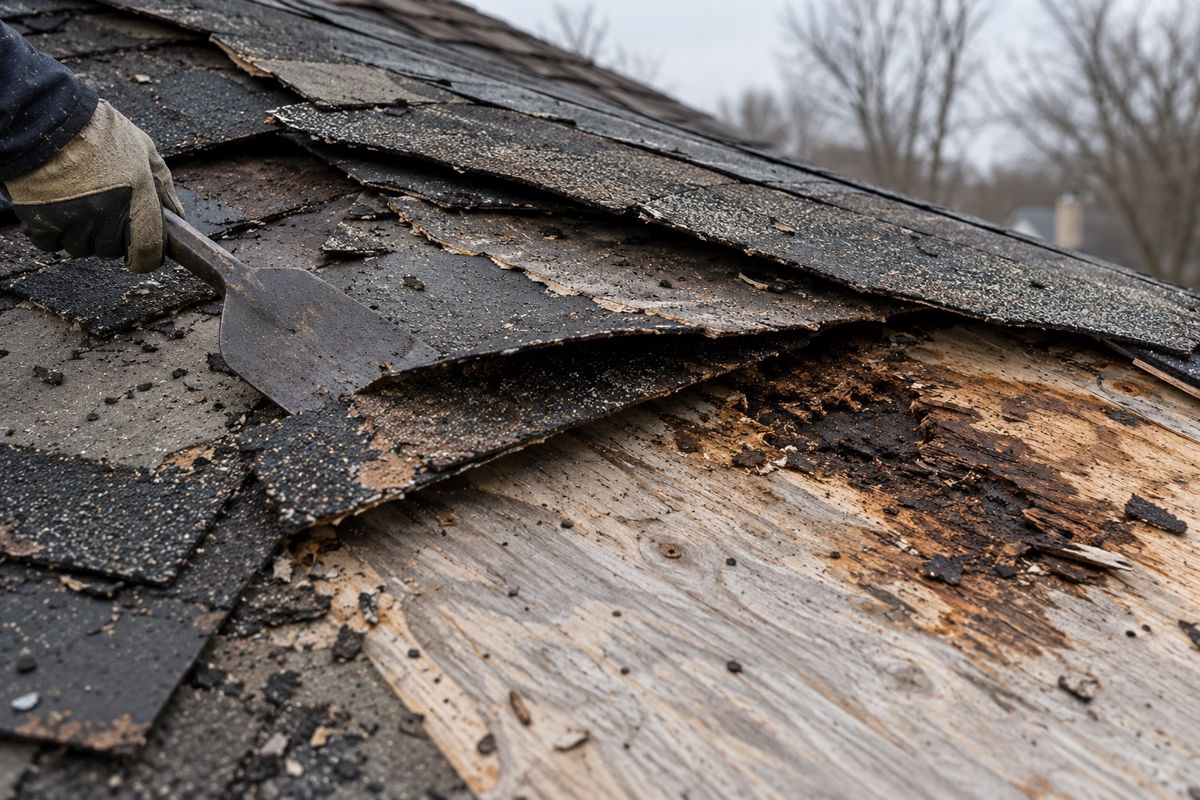
Removing two layers of old shingles takes about twice the effort of removing one. Once the old roof is off, the crew may find soft or rotted deck boards, which have to be replaced. Good quotes explain how that extra work will be priced, for example per sheet of plywood, so the number does not come as a surprise.
Roof shape and details
Every valley, dormer, skylight and chimney needs flashing, and flashing is slow, careful work. A plain gable roof is quicker than one with many angles.
- Number of valleys and roof planes
- Chimneys, skylights and walls that meet the roof
- Vents, pipe boots and ridge vents
- Access around the house, trees and garages
Why do Minneapolis winters affect the price?
Snow country asks more of a roof. Ice dams, heavy snow and many freeze and thaw cycles each winter mean a good installation pays attention to details that a milder city can skip.
- Ice and water membrane. A self-sealing layer along the eaves and in valleys helps keep meltwater from backing up under the shingles. It costs extra, and it is commonly used in cold climates.
- Ventilation. A roof needs air coming in low at the soffits and leaving high near the ridge, so the deck stays cold in winter and ice dams are less likely.
- Attic insulation and air sealing. This is often a separate job, but it is the root of many ice dam problems. A new roof over a leaky attic can still grow ice dams.
- Flashing. Replacing it, instead of reusing old pieces, costs more now and can prevent leaks later.
Scheduling matters too. Spring through early fall is the usual season because shingle sealant bonds well in warmer weather. Winter jobs are sometimes possible, but cold and snow can slow the work.
How do roofing materials compare on cost?
Material is one of the biggest choices you make, and each option has trade-offs.
- Asphalt shingles. The most common choice in the Twin Cities and the lowest in cost. Heavier architectural shingles cost more than basic three-tab shingles and tend to hold up better.
- Metal roofing. Costs more up front and often lasts longer. It sheds snow quickly, which is something to plan for near walkways and doors.
- Cedar shake. Seen on some older and custom homes. It costs more and needs upkeep.
- Slate and tile. Very long-lived and heavy, with a high price. The house must be able to carry the weight.
A cheaper material is not always the cheaper choice over time. Ask each contractor how long they expect the product to last on your house and what the manufacturer's warranty actually says.
How do you compare roofing quotes fairly?
Two quotes can look far apart and still describe different jobs. Put them side by side and check each point.
- Does the quote say how many layers will be removed?
- Are the shingle brand and line named?
- Is ice and water membrane included, and where?
- Will the flashing be replaced?
- How will rotted decking be priced?
- Who pulls the permit, and is that cost included?
- What does cleanup include?
- What are the payment terms?
Ask each contractor for their license and insurance details and check them. Minnesota requires most residential roofers to hold a state license, and the Department of Labor and Industry lets you look one up online. Confirm the current rules there. Be careful with anyone who asks for a large payment up front or pushes you to sign the same day.
Can insurance help pay for a new roof?
Sometimes. Sudden damage from hail, wind or a fallen tree is often covered, subject to your deductible. Normal wear and age usually are not. Some Minnesota policies use a separate deductible for wind and hail, which can be a percentage of the home's value, so read your policy before you plan around a claim.
If you think a storm damaged your roof, take dated photos, call your insurer and have a roofer document what they see. The insurer, not the roofer, decides what is covered. Contractors should not offer to cover or rebate your deductible, and you should ask your insurer about the rules that apply to you.

What is the next step?
Start by finding out whether you need a new roof at all. A short roof inspection can show whether a repair will do. If the answer is replacement, read how the work goes on our roof replacement page, then ask for a written quote that covers the points above. A clear quote, a straight explanation and no pressure are the signs of a roofer worth talking to.