
Skip to content
Clear communicationFree inspections
Call now (612) 555-0159
Minneapolis, MN (612) 555-0159
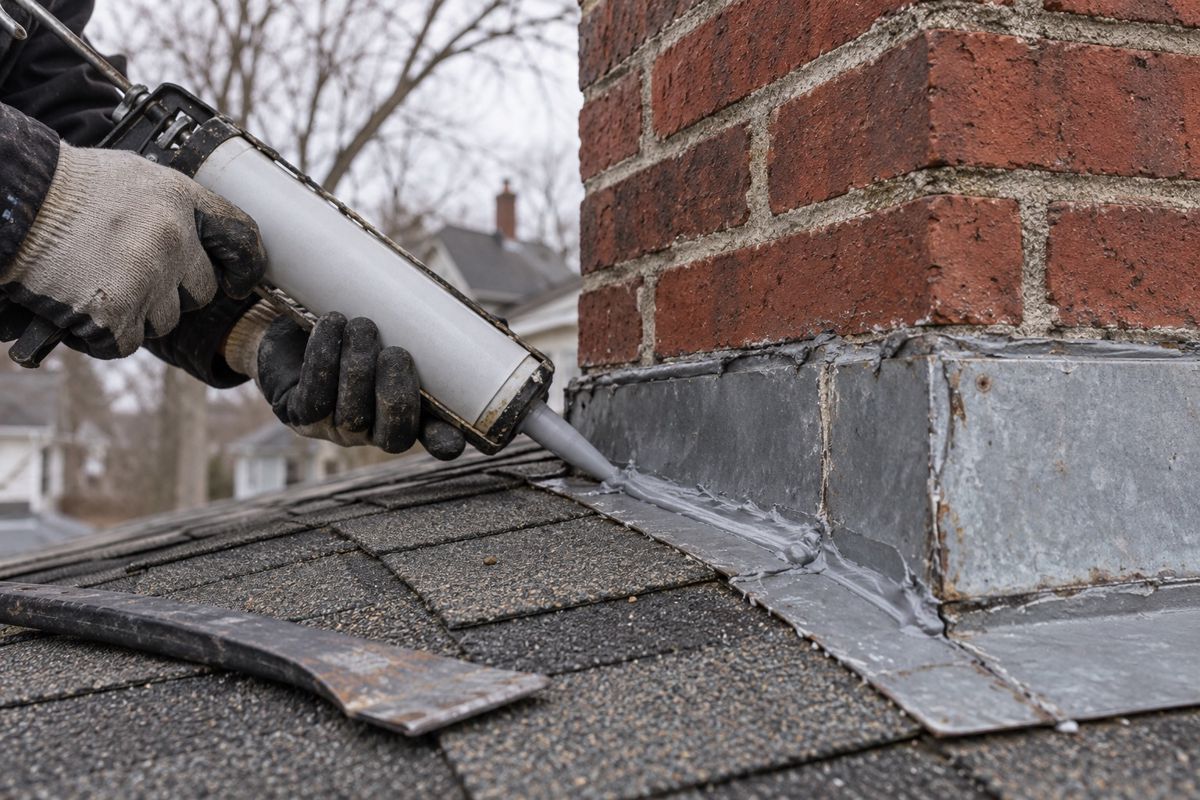
Gloved hands sealing flashing around a brick chimney on a shingle roof

Roof repair in Minneapolis, MN

Roof repair in Minneapolis for leaks and winter damage

Find the cause of the leak, not just the stain. What is found gets explained, and the repair is quoted in writing.

  • Look for the cause of the leak
  • Written quote before work starts
  • Honest word on repair or replace

Step 1 of 3

What do you need?

What causes a roof to leak in Minneapolis?

Most leaks in the Twin Cities start at a weak point, not in the middle of a healthy roof. The usual suspects are:

  • Flashing around chimneys, skylights, dormers and places where a roof meets a wall. Metal and sealant wear out over the years.
  • Ice dams that push meltwater under the shingles at the eaves.
  • Lifted, cracked or missing shingles after wind, hail or age.
  • Pipe boots and vents with cracked rubber collars.
  • Exposed nails that back out as the wood moves in the cold.
  • Valleys where water and debris collect.

Water often travels along rafters before it shows up on a ceiling, so the stain can be a long way from the actual opening. Not every attic drip is a roof leak, either. Warm, moist air from the house can condense on cold roof boards in winter and drip, which looks like a leak. A good inspection checks for both.

How is a roof leak found?

Finding the source takes patience. A careful look usually starts in the attic with a flashlight. Stained wood, damp insulation, rusted nail tips and frost on the underside of the deck all give clues. From there the work moves outside to the matching area of the roof.

Outside, the roofer checks the flashing, the vents and the shingles above the stain. When the cause is not obvious, a controlled water test can help. Water is run over one area at a time while someone watches the attic. It is slow, but it narrows things down.

Photos help everyone. Ask to see them, and take your own pictures of the ceiling stain with the date. They matter if the damage turns out to be part of an insurance claim, and our storm and hail damage page covers that situation. Do not climb onto an icy or snowy roof yourself.

Is a repair enough or do I need a new roof?

A repair makes sense when the problem is limited and the rest of the roof is sound. Replacing a pipe boot, resealing flashing or swapping a handful of shingles are good examples.

A repair is a poor use of money when:

  • The shingles are brittle and break when touched
  • Leaks keep returning in new places
  • The deck is soft or the rafters sag
  • Granules are washing into the gutters in large amounts

If you are close to that point, ask for both numbers, the repair and the full job, and compare them. Our roof replacement page explains what a full job involves. A repair first can be a sensible way to buy time, provided you know how much time you are buying. A roof inspection gives you that picture and costs far less than guessing wrong.

Repair prices vary more than most people expect, because the job can be anything from ten minutes of work to a full day. These things move the price:

  • Cause and number of spots. One cracked pipe boot is simple. Several failing flashings take longer.
  • Height and pitch. Steep or high roofs need extra safety equipment and time.
  • Material and matching. Older shingles can be hard to match, and some repairs need more material than you would think.
  • Interior damage. Wet insulation, stained drywall and mold are separate from the roof work.
  • Winter conditions. Snow and ice must be cleared safely before work can start, and cold limits what sealants and shingles will do.

Small jobs still need setup, safety gear and travel, so a very small repair does not cost proportionally less. Get the scope in writing so you know what is and is not included.

How long does a repair take and when should you call?

Many small repairs take a few hours, and larger ones take a day. The roof has to be safe and dry to work on. Cold makes shingles brittle and keeps sealant from bonding, so in deep winter a temporary fix is sometimes the sensible first step, with a lasting repair when conditions allow.

Call a roofer when you see:

  • Water dripping or a spreading stain on a ceiling
  • Missing or lifted shingles after a storm
  • Daylight in the attic
  • Ice dams that keep returning at the same spot

While you wait, move belongings out of the way, put a bucket under any drip, take photos and keep clear of a sagging ceiling or a light fixture with water in it. A short call to explain the problem is often enough to start. You can begin from the home page and describe what you see.

Request roof repair

Tell us what you need and we call you back.

No obligation.

Step 1 of 3

What do you need?

Questions about roofing in Minneapolis

Why does my roof leak only when it thaws?

Thaws melt snow faster than it can drain, and ice at the eaves can block the water's path. The meltwater then finds weak points such as nail holes, flashing and shingle edges. A leak that shows up only in winter often points to ice dams or poor attic ventilation, not a hole that rain would find.

Can a roof be repaired in winter in Minneapolis?

Often a temporary repair is possible, such as sealing a flashing or covering an opening. Cold weather limits how well shingles and sealants bond, and snow and ice make the roof unsafe to work on until cleared. A lasting repair may need to wait for milder days. A roofer should explain which is which.

How do I tell a roof leak from condensation?

Roof leaks usually show up after rain or snowmelt and follow a path from one point. Condensation tends to appear during cold snaps, spreads across a wider area of the underside of the roof and is often tied to poor ventilation or leaking household air. Both can stain ceilings, so have the attic checked before paying for roof work.

Will homeowners insurance pay for a roof repair?

It depends on the cause and your policy. Sudden damage from hail, wind or a fallen tree is often covered, subject to a deductible. Wear and age usually are not. Read your policy, take photos and talk to your insurer before work starts. A roofer can describe the damage, but the insurer decides what is covered.

Is it worth repairing an old roof?

If the damage is limited and the rest of the shingles are flexible and intact, a repair can be a fair choice. If the shingles are brittle, curled or shedding granules everywhere, repairs tend to chase one failure after another. Ask for the repair quote and a replacement quote side by side.

What you can expect

1

Clear communication

2

Free inspections

3

Written estimates

4

Local crew

Ready when you are Call now or request a quote online. Call for a free inspection Get my free quote (612) 555-0159

How it works

1

Call or request a quote

Tell us what is happening with the roof.

2

Free inspection

A roofer checks the roof and gives a written price.

3

Work done right

Clean crew, nail sweep, warranty in writing.